
Article: CPAP Bloating and Swallowed Air: User’s Guide to Aerophagia
CPAP Bloating and Swallowed Air: User’s Guide to Aerophagia
CPAP Bloating and Swallowed Air: User’s Guide to Aerophagia
CPAP therapy can help treat obstructive sleep apnea, yet some users wake with an uncomfortable surprise: a full, bloated abdomen, repeated burping, or more gas than usual. When that happens after a night of therapy, it is reasonable to ask whether pressurized air is involved.
One possible explanation is aerophagia, a term used for air entering the digestive tract. It is a recognized problem during positive airway pressure therapy. ResMed includes bloating among the possible side effects listed in its AirSense 11 user guide. document.resmed.com
The next step is to investigate the pattern while preserving effective sleep apnea treatment. Bloating alone cannot tell you that your pressure is too high, which mask you need, or whether a digestive condition is present.
At USCPAP.com, a division of USA Medical Supply, we help customers understand ResMed equipment and prepare questions for their treating clinicians. This guide explains what the evidence supports and how to organize a useful review. It provides general education; diagnosis and therapy changes belong with your healthcare team.
What Is CPAP-Related Aerophagia?
During CPAP treatment, air pressure helps keep the upper airway open. In some people, air also enters the esophagus and stomach. That can contribute to abdominal fullness, belching, bloating, and flatulence.
You may hear this described as “swallowing air,” although the person may not be consciously gulping or swallowing. Research has examined how pressurized air can pass into the digestive tract during sleep. pmc.ncbi.nlm.nih.gov
The sensation can be frustrating because it is separate from the mask itself. A cushion may feel comfortable against the face while the person still wakes with abdominal pressure. Someone may also tolerate therapy at bedtime but notice symptoms later in the night or on waking.
When reporting the problem, describe the sensation and timing rather than trying to establish the diagnosis yourself. “I wake with upper abdominal fullness after several hours of use” gives your clinician more information than “the machine is blowing up my stomach.”
Both descriptions deserve attention, but the first helps organize the evaluation.
What Symptoms Should You Describe?
Useful details include where the discomfort occurs, whether your abdomen feels full or visibly larger, and whether you notice burping or increased gas. Record whether symptoms begin while using the mask, first appear on waking, or develop after meals.
Explain how much the problem interferes with sleep and daytime activity. Mild fullness that passes quickly is a different experience from pain that repeatedly wakes you or prevents you from using therapy.
Also describe what happens after getting out of bed. Does the sensation improve, remain unchanged, or return during the day? Are bowel habits different? Has your appetite changed?
There is no need to use medical language. A clear description in your own words is sufficient. If you are unsure whether you are experiencing bloating, pain, heartburn, or nausea, say that. Your clinician can ask follow-up questions instead of working from an overly specific label that may not fit.
How Common Is Aerophagia?
Published estimates differ because studies use different definitions and examine different groups. A broad symptom questionnaire will not necessarily produce the same estimate as criteria requiring a clearer relationship between symptoms and PAP treatment.
A 2024 observational study evaluated 753 adults receiving positive airway pressure treatment and identified CPAP-related aerophagia in 7.2% using the study’s criteria. Fewer than half of the affected patients had reported the problem to their physician. pubmed.ncbi.nlm.nih.gov
That finding is useful for a practical reason: discomfort may remain invisible unless the patient brings it up. It does not mean the same percentage applies to every clinic or every ResMed user.
Rather than judging your symptoms against a population estimate, focus on whether they are recurring, bothersome, or interfering with prescribed treatment. You do not need to prove that a side effect is common before asking for help.
Bloating Does Not Always Come From CPAP
Digestive gas has several sources. Air is swallowed during ordinary eating and drinking, and intestinal bacteria produce gas as they break down certain carbohydrates. Constipation, food intolerances, and other digestive conditions can also contribute to symptoms. www.niddk.nih.gov
The timing may offer clues, but it does not prove the cause. For example, a new CPAP setup and a new medication might begin during the same week. A person may also change meal timing or diet at the same time they start therapy.
Tell your healthcare team about these overlapping changes. Include prescription medicines, nonprescription products, and supplements. Do not stop a medicine or begin a restrictive diet simply to test an assumption.
It can help to keep two questions open: “Could PAP be contributing?” and “Could something else need evaluation?” A careful review can address both without dismissing your experience or blaming every digestive symptom on the machine.
Does Bloating Mean Your Pressure Is Too High?
Pressure can be relevant, but symptoms do not establish the correct setting. In the 2024 observational study, higher CPAP pressure and coexisting gastroesophageal reflux disease were associated with aerophagia. pubmed.ncbi.nlm.nih.gov
An association describes a pattern in a group. It does not identify a safe pressure reduction for an individual. Your prescribed settings must still control obstructive breathing events.
Avoid lowering the pressure range yourself because a website or discussion group recommends a particular number. A setting that feels easier while awake may be inadequate during sleep. Likewise, another user’s successful adjustment may not suit your sleep study findings, therapy mode, or medical history.
Ask your clinician to review both comfort and treatment effectiveness. A useful question is:
“Can we investigate this bloating while checking that my sleep apnea remains adequately treated?”
That keeps the goal clear. The desired result is tolerable, effective treatment, with follow-up to see whether the agreed change actually helps.
Can AutoSet or APAP Help?
Some ResMed devices can deliver auto-adjusting positive airway pressure, commonly called APAP. Auto-adjusting therapy and fixed-pressure CPAP are different treatment approaches; the appropriate choice depends on the clinical prescription.
A 2017 randomized crossover trial compared APAP with fixed CPAP in patients reporting aerophagia. APAP reduced several reported symptoms, including bloating, belching, and flatulence. The study did not find a significant difference in therapy adherence between the two modes. pmc.ncbi.nlm.nih.gov
This supports a discussion about therapy mode in selected patients. It does not establish that every person with bloating should switch to APAP, or that an auto-adjusting machine will resolve the problem by itself.
The study used an earlier ResMed platform. It should not be presented as a direct clinical trial of today’s AirSense 11. If you already use an AutoSet device, your clinician still needs to review the actual configuration and data rather than assuming that the word “AutoSet” answers the question.
Where Do AutoRamp and EPR Fit?
ResMed’s AutoRamp is designed to make the beginning of therapy more comfortable. Expiratory Pressure Relief, or EPR, reduces pressure during exhalation. These features serve different purposes. www.resmed.com
A person who feels uncomfortable immediately after starting therapy may have a different concern from someone who falls asleep easily and wakes bloated hours later. Describe that distinction before asking which feature to change.
Neither feature should be advertised as a guaranteed aerophagia treatment. EPR affects the pressure delivered during breathing, and its use needs to fit the prescribed plan. Available options also depend on the device and how it has been configured.
Ask the equipment provider to explain the settings you can see and the clinician to decide whether changes are appropriate. You do not need to enter a clinical menu or copy hidden settings from an online tutorial to have an informed conversation.
Should You Change Your Mask?
Mask comfort, seal, and breathing route deserve review, but buying a new mask is not a diagnosis. A nasal mask, nasal pillows, and a full-face mask each create a different experience for the user.
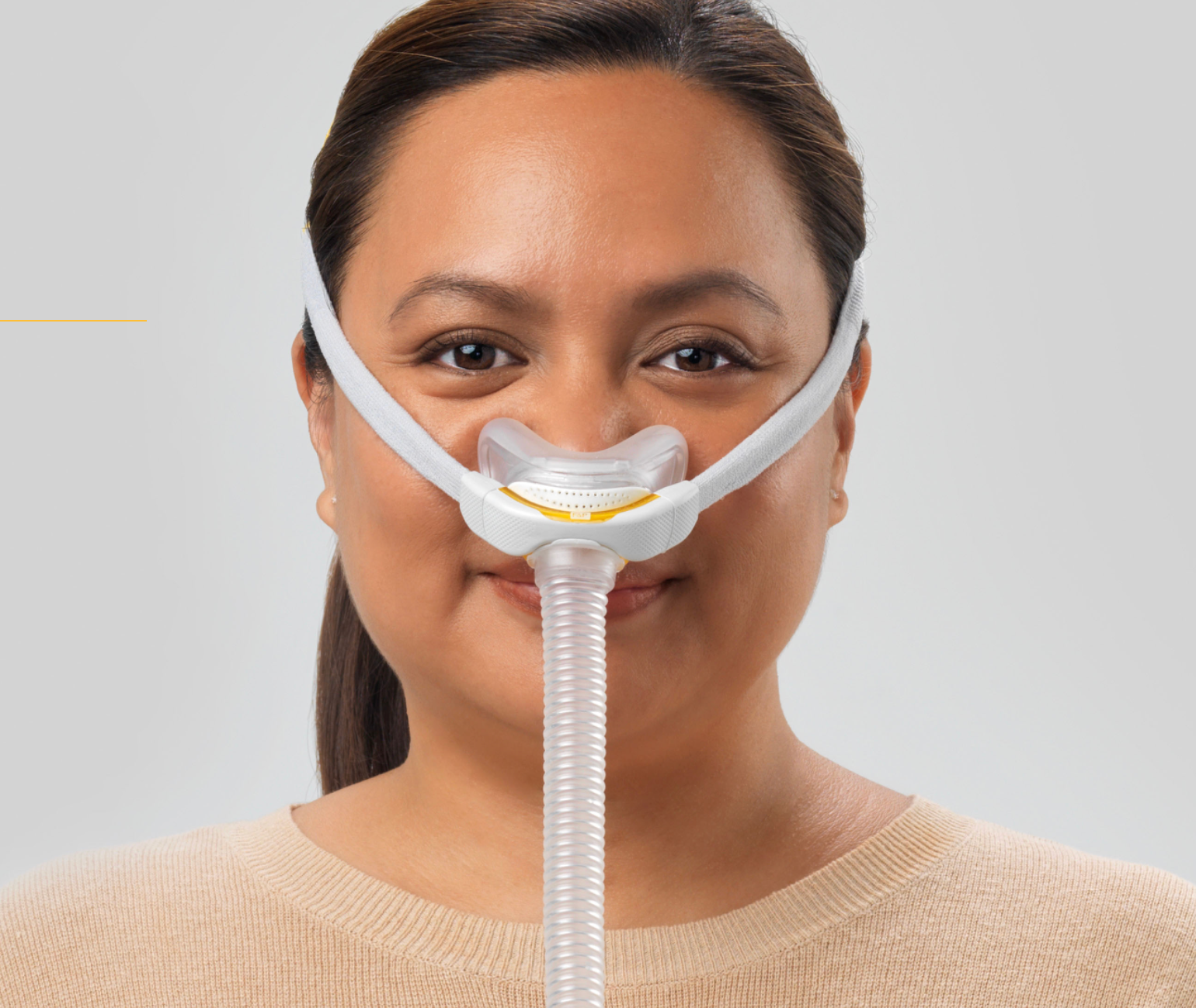
ResMed options include nasal masks such as the AirFit N20, nasal pillows such as the AirFit P10, and full-face designs such as the AirFit F20 and AirFit F40. These examples identify styles to discuss; none is a universal cure for swallowed air.
Before replacing equipment, describe leaks, mouth opening, congestion, and the position in which the mask becomes uncomfortable. Ask for a fit review using the manufacturer’s instructions.
Keep the intended exhalation openings clear and do not modify the interface to force a different breathing pattern. If a different mask is recommended, agree on how its fit and your symptoms will be reassessed. Changing several things at once can make the result harder to interpret.
What About Bilevel Therapy?
Bilevel devices provide different inspiratory and expiratory pressures. They require an appropriate prescription and clinical setup; they are not simply a comfort accessory to add to an existing CPAP.
A 2025 observational study followed 51 patients switched from CPAP to auto-bilevel treatment for aerophagia. Symptoms completely or partially resolved in 84.3% of participants. pubmed.ncbi.nlm.nih.gov
The result is encouraging, but the study was observational and involved a selected group. It does not prove that bilevel is necessary for most people with bloating or that every user will improve. It also should not be described as a direct trial of a particular current ResMed device without evidence that it was one.
If symptoms persist, ask whether a different therapy approach merits evaluation. Let the clinician decide what is appropriate and arrange follow-up that considers breathing-event control, comfort, and actual use.
Tell Your Clinician About Reflux Symptoms
Heartburn, sour-tasting fluid, and nighttime regurgitation are relevant details. A 2013 study found an association between aerophagia symptoms and gastroesophageal reflux symptoms, particularly at night, among CPAP users. pmc.ncbi.nlm.nih.gov
That association does not establish that CPAP caused an individual’s reflux. It does give the healthcare team a reason to consider both symptom groups rather than discussing abdominal fullness in isolation.
Explain whether reflux preceded PAP treatment and whether it has changed. Include any existing diagnosis and treatment. A sleep clinician may coordinate with primary care or a digestive specialist when appropriate.
Do not add acid-suppressing treatment solely because someone online says bloating means reflux. The symptom pattern and medical history determine whether that explanation fits. Similarly, do not assume an existing reflux medicine should make PAP-related discomfort impossible.
Review Ordinary Sources of Swallowed Air
While your PAP concerns are being reviewed, note everyday habits that may contribute to gas. The National Institute of Diabetes and Digestive and Kidney Diseases identifies eating or drinking quickly, fizzy drinks, gum, and hard candyamong relevant sources of swallowed air. www.niddk.nih.gov
Its treatment guidance describes slower eating and reducing air-swallowing habits as possible approaches to gas symptoms. These are general digestive measures, not proven replacements for a CPAP assessment. www.niddk.nih.gov
A simple starting point is to record the habits that apply to you. If you regularly drink carbonated beverages with an evening meal, mention that. If you rarely do, there is no need to invent a dietary explanation.
Avoid removing many foods at once or purchasing a collection of supplements. If diet seems relevant, ask for an individualized plan. Gas-producing foods can also be nutritious, and unnecessary restrictions can make meals more complicated without clarifying the problem.
Keep a Short, Useful Symptom Record
A symptom record helps make an appointment concrete. NIDDK notes that clinicians may ask about diet, medicines, health history, and the timing of gas symptoms. www.niddk.nih.gov
For mild, stable symptoms while awaiting review, consider recording the date, approximate therapy hours, and when discomfort appeared. Add a brief description such as fullness, burping, pain, or increased gas. Note whether symptoms disrupted sleep or continued during the day.
Include recent changes: a new mask, device, prescribed setting, medication, or eating pattern. You can also record any leak information or breathing-event summary already available to you, without trying to interpret every number.
Keep the record manageable. A few clear observations are more useful than an elaborate spreadsheet you cannot maintain. Do not deliberately skip treatment, induce symptoms, or make repeated setting changes to create comparison data.
If symptoms are severe, worsening, or accompanied by warning signs, seek care rather than waiting to complete a diary.
Prepare a Message Your Clinician Can Act On
A useful message might read:
“Since a recent change to my PAP treatment, I have been waking with abdominal fullness and repeated burping. It happens on most mornings and sometimes wakes me. Could we review my therapy data, mask fit, and whether another digestive cause needs evaluation?”
Add the device model and the date of any recent change. Describe what you have already tried, including any nonprescription products. If the discomfort is limiting therapy use, say so directly.
Ask what to do while awaiting the appointment and how soon to report persistent symptoms after any agreed adjustment. Clarify who will review the results and whether another clinician should be involved.
The American Academy of Sleep Medicine recommends ongoing PAP follow-up that includes troubleshooting and monitoring of objective effectiveness and usage data. Asking for this review is part of routine treatment support, not a sign that you have failed at CPAP. jcsm.aasm.org
Three Situations That Deserve Different Conversations
These illustrative examples show why the history matters. They are not diagnoses or reports about actual customers.
First, a person starts a new PAP setup and notices abdominal fullness the next morning. The useful next step is to report the timing and arrange a review of the new treatment and other relevant changes. The date helps establish a pattern without proving causation.
Second, a longtime user develops bloating throughout the day after starting a medication. The sleep equipment may still warrant review, but the medication and daytime symptoms also belong in the medical discussion. A familiar machine should not become the automatic explanation for a new problem.
Third, a person has tolerable therapy numbers but repeatedly wakes uncomfortable and removes the mask. The summary data are useful, yet the symptoms still need attention. The clinician needs to know that discomfort is interfering with use.
In each situation, the first task is to describe what changed. The treatment decision follows the evaluation.
When to Seek Medical Care Promptly
Do not assume sudden or severe abdominal pain is routine aerophagia. Seek urgent medical care for sudden sharp pain, a hard or very tender abdomen, vomiting blood, bloody or black tarry stools, breathing difficulty, or inability to pass stool accompanied by vomiting. Chest pain also requires urgent assessment. medlineplus.gov
Contact your clinician for persistent or worsening bloating, unexplained weight loss, ongoing bowel changes, or symptoms that interfere with eating or sleep. The AirSense 11 guide also instructs users to report unusual chest pain or increased breathlessness to the prescribing physician. www.niddk.nih.gov
The presence of CPAP equipment at the bedside does not make unrelated symptoms less important.
Frequently Asked Questions
Can CPAP cause bloating and gas?
Yes. Air entering the digestive tract during PAP treatment can contribute to bloating, belching, and flatulence. Other causes can produce similar symptoms, so the timing, severity, and medical history need review. Recurrent discomfort is a reason to contact your healthcare team rather than simply tolerate it indefinitely.
Should I lower my pressure tonight?
Do not make an unsupervised treatment-pressure change. Contact your prescribing clinician for advice specific to your symptoms and treatment. A pressure that feels comfortable while awake may not provide the necessary airway support during sleep. Ask how to manage the discomfort while an appropriate review is arranged.
Will a different ResMed mask fix aerophagia?
A mask review can identify comfort or seal problems, but no mask guarantees relief from swallowed air. The correct interface depends on your breathing needs, fit, comfort, and treatment plan. Describe leaks or congestion before purchasing a replacement, and agree on what would count as improvement.
Does AutoSet prevent all aerophagia?
No. Research supports possible benefit from APAP in selected patients, but an auto-adjusting mode does not eliminate every cause of bloating. Someone already using AutoSet can still need a review of settings, symptoms, and other health factors. The device name alone cannot establish the next step.
Is EPR the same as switching to bilevel?
No. EPR is a ResMed comfort feature that reduces pressure during exhalation. Bilevel therapy is a distinct treatment approach with its own prescription and settings. Your clinician can explain whether either is relevant to your situation. Neither should be selected solely from another person’s online settings.
Can humidity changes solve swallowed air?
Humidification is intended to improve moisture-related comfort. It should not be assumed to treat aerophagia. If you have both dryness and abdominal symptoms, describe them separately so each can be reviewed. Changing humidity and treatment pressure are different actions with different purposes.
Should I take an over-the-counter gas medicine?
Ask your clinician or pharmacist whether a product is appropriate for your symptoms, health conditions, and other medicines. Symptom relief does not establish the underlying cause. Do not use a medicine to postpone evaluation of persistent pain, worsening distention, or other concerning symptoms.
Can I have a good myAir score and still need help?
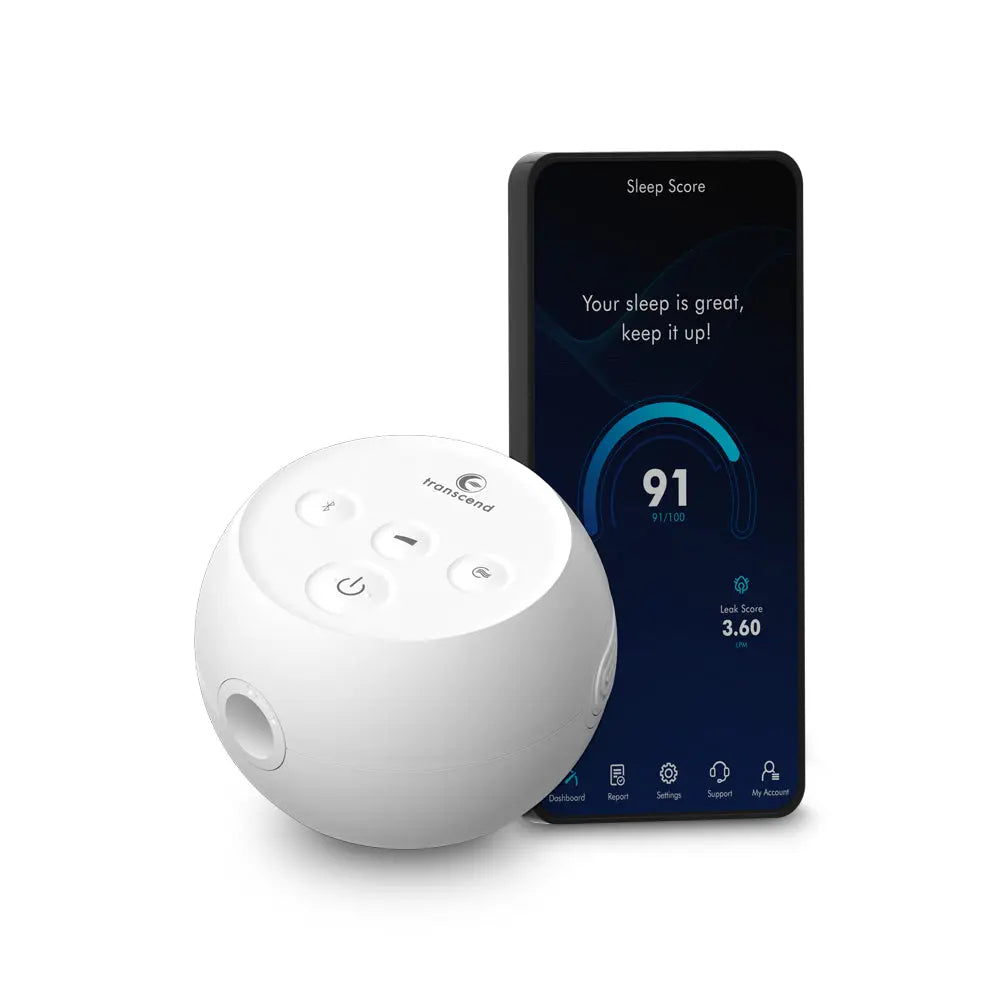
Yes. Report recurring discomfort even if a therapy summary looks reassuring. A PAP usage or breathing-event summary does not evaluate every possible digestive problem. Bring both the available equipment information and your symptom history so the clinician can consider treatment performance alongside your experience.
Should I stop CPAP until the bloating resolves?
Ask your prescribing clinician for an individualized plan rather than abandoning treatment. Explain whether symptoms are mild, disrupting sleep, or preventing use. If urgent warning signs are present, seek medical care promptly. The appropriate response depends on the symptoms and your underlying treatment needs.
What should I bring to an equipment appointment?
Bring the device model, mask information, relevant accessories, and a short symptom timeline. Ask in advance whether the team needs your machine, SD card, or another way to review information. Include a list of recent changes and make clear which questions require coordination with the prescribing clinician.
Get Help With Your ResMed Setup
USCPAP.com is a division of USA Medical Supply in West Springfield, Massachusetts. Our team can help with ResMed equipment questions, mask-fit concerns, and preparation for a conversation with your treating clinician.
We can explain equipment features and help identify what needs further review. Medical diagnosis and prescription changes remain with the appropriate healthcare professional.
USA Medical Supply / USCPAP.com
1779 Riverdale Street
West Springfield, MA 01089
Call: 413-733-7843
Text: 413-200-4191
Email: info@usamedicalsupply.com
Shop Online: USCPAP.com
If bloating is making treatment uncomfortable, tell your healthcare team what you are experiencing and ask for a plan that addresses both comfort and effective sleep apnea treatment.
Bibliography
-
ResMed. AirSense 11 User Guide. Americas multilingual edition, document 398291.
-
Shepherd K, Hillman D, Eastwood P. Symptoms of aerophagia are common in patients on continuous positive airway pressure therapy and are related to the presence of nighttime gastroesophageal reflux. Journal of Clinical Sleep Medicine. 2013;9(1):13–17.
-
Fukutome T. Prevalence of continuous positive airway pressure-related aerophagia in obstructive sleep apnea: an observational study of 753 cases undergoing CPAP/BiPAP treatment in a sleep clinic—part one of a two-part series.Sleep and Breathing. 2024;28(6):2481–2489. doi:10.1007/s11325-024-03152-8.
-
National Institute of Diabetes and Digestive and Kidney Diseases. Symptoms & Causes of Gas in the Digestive Tract. National Institutes of Health.
-
Shirlaw T, Hanssen K, Duce B, Hukins C. A randomized crossover trial comparing autotitrating and continuous positive airway pressure in subjects with symptoms of aerophagia: effects on compliance and subjective symptoms.Journal of Clinical Sleep Medicine. 2017;13(7):881–888. doi:10.5664/jcsm.6658.
-
ResMed. AirSense 11 CPAP Device for Sleep Apnea. Official product information, including AutoRamp and EPR descriptions.
-
Fukutome T. Effect of switching from continuous positive airway pressure to bilevel positive airway pressure on symptoms of continuous positive airway pressure-related aerophagia: an observational study part two of a two-part series. Sleep and Breathing. 2025;29(4):258. doi:10.1007/s11325-025-03423-y.
-
National Institute of Diabetes and Digestive and Kidney Diseases. Treatment for Gas in the Digestive Tract.National Institutes of Health.
-
National Institute of Diabetes and Digestive and Kidney Diseases. Diagnosis of Gas in the Digestive Tract. National Institutes of Health.
-
Patil SP, Ayappa IA, Caples SM, Kimoff RJ, Patel SR, Harrod CG. Treatment of adult obstructive sleep apnea with positive airway pressure: an American Academy of Sleep Medicine clinical practice guideline. Journal of Clinical Sleep Medicine. 2019;15(2):335–343. doi:10.5664/jcsm.7640.
-
MedlinePlus. Abdominal Pain. U.S. National Library of Medicine.
Sources checked November 2, 2026. Illustrative examples and suggested appointment questions are educational planning aids rather than individualized medical instructions.





Leave a comment
This site is protected by hCaptcha and the hCaptcha Privacy Policy and Terms of Service apply.