
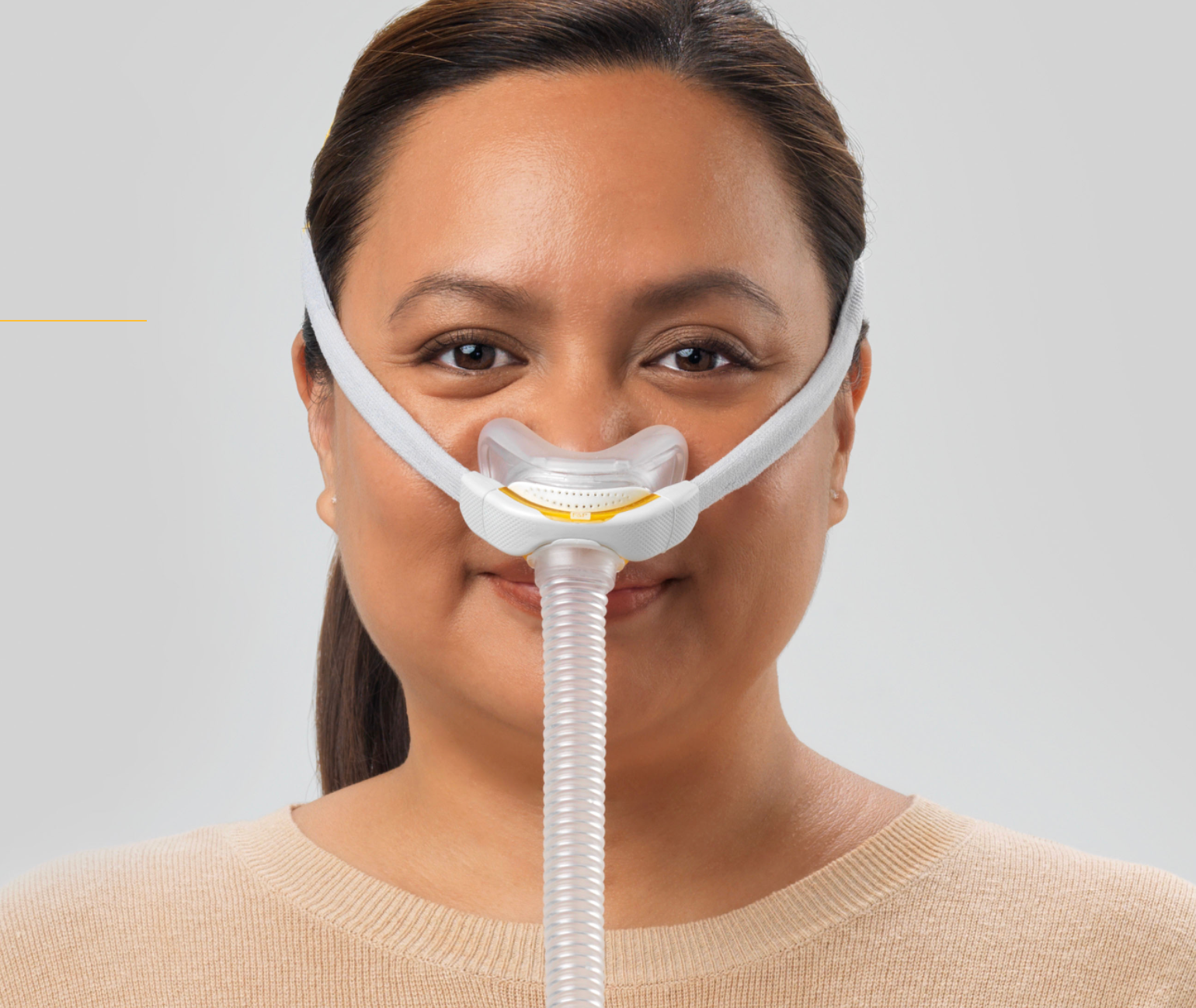
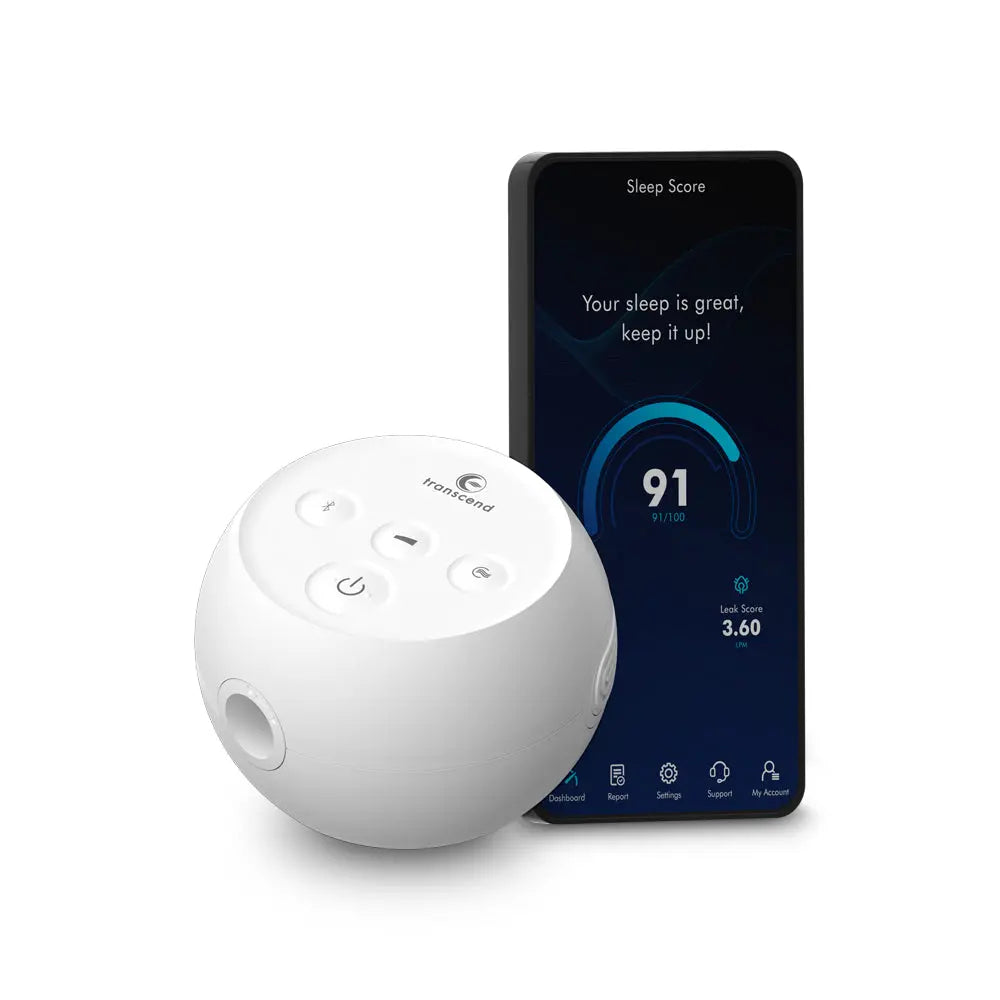
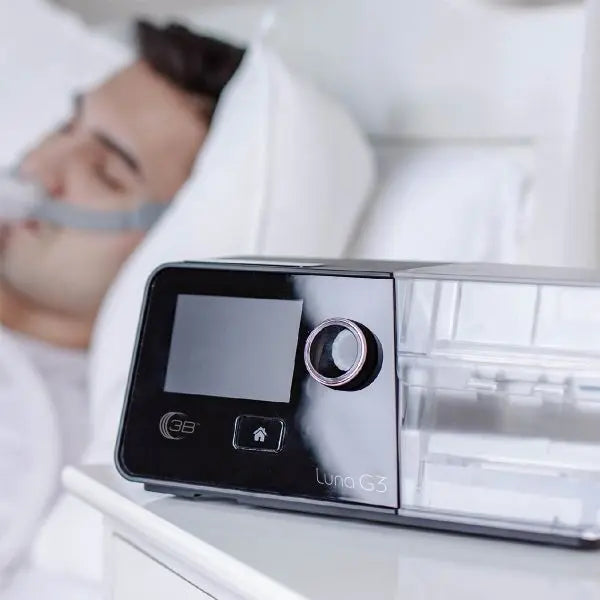
Article: ResMed CPAP Winter Guide 2026: Dry Mouth & Rainout
ResMed CPAP Winter Guide 2026: Dry Mouth & Rainout
Winter CPAP Troubleshooting 2026: The Complete ResMed Guide to Dry Mouth, Nasal Congestion, Rainout, Humidification & Heated Tubing
Website: USCPAP.com
Published: October 17, 2026
Updated for: Fall & Winter 2026–2027
Introduction: Why Does CPAP Therapy Feel Different When Cold Weather Arrives?
You may have used your CPAP machine comfortably throughout the spring and summer.
Then fall arrives. The heating system turns on. Outdoor temperatures drop. Your bedroom air becomes drier.
Suddenly, you're waking up with a dry mouth, experiencing nasal congestion, hearing water gurgling inside your tubing, or finding moisture collecting inside your mask.
Does this sound familiar?
For many people using continuous positive airway pressure (CPAP), colder weather creates new comfort challenges—even when the machine and prescribed treatment settings haven't changed.
The good news is that these problems often have identifiable causes and practical solutions.
At USCPAP.com, we help people understand and maintain their sleep apnea equipment, including ResMed AirSense, AirCurve, and AirMini systems.
In this comprehensive guide, we will explain:
-
Why winter weather can affect CPAP comfort
-
How heated humidification works
-
Why dry mouth isn't always caused by low humidity
-
What causes condensation, commonly called rainout
-
How to use ResMed Climate Control Auto and Manual settings
-
Which genuine ResMed heated tubing works with your machine
-
How to recognize mask leaks and mouth breathing
-
How AirMini waterless humidification differs from bedside CPAP humidification
-
How to troubleshoot common winter problems step by step
-
When persistent symptoms require medical attention
Our goal is simple: help you enjoy more comfortable therapy, understand your equipment, and avoid unnecessary replacement purchases or changes to prescribed treatment.
1. How Cold Weather Changes Your CPAP Experience
Winter creates several conditions that can make positive airway pressure therapy feel different.
Cold outdoor air contains less moisture
Cold air generally has a lower capacity to hold water vapor than warm air.
When very cold outdoor air enters a home and is heated without additional moisture, relative humidity often decreases.
This can create a dry indoor environment.
Dry air may irritate the nose, throat, and mouth, particularly for someone receiving pressurized airflow for several hours every night.
Heating systems can contribute to indoor dryness
Forced-air heating and other home heating systems raise indoor air temperature.
If moisture is not added, the relative humidity can become uncomfortable.
Someone who tolerated CPAP without heated humidification during summer may find humidification more helpful in winter.
Cold bedrooms can increase condensation
A CPAP humidifier adds moisture to therapy air.
If that moist air cools while traveling through the tubing, water vapor may condense into droplets.
This is called CPAP rainout.
It can produce gurgling noises, visible moisture, or an unpleasant sensation of water reaching the mask.
Winter illnesses and nasal symptoms can complicate therapy
Colds, respiratory allergies, and congestion can make nasal breathing more difficult.
A person who normally breathes through the nose may begin breathing through the mouth, which can affect comfort and mask performance.
Importantly, winter discomfort does not automatically mean your ResMed machine is malfunctioning or that your prescribed pressure needs to change.
The first step is identifying the particular problem.
2. Winter CPAP Troubleshooting: Start With Your Symptoms
| What you're experiencing | Possible explanation | What to check first |
|---|---|---|
| Dry mouth upon waking | Mouth leak, low humidity, medications, or nasal obstruction | Mask fit, leak data, humidification |
| Dry or irritated nose | Insufficient humidification or another nasal condition | Humidity settings and nasal symptoms |
| Water in tubing | Humid air cooling inside the hose | Heated tubing and Climate Control |
| Water inside mask | Condensation from temperature differences | Tube temperature and humidity balance |
| Gurgling tubing | Collected condensation | Rainout troubleshooting |
| Humidifier empty by morning | Excessive humidity demand, leak, or other factors | Mask leaks, settings, chamber fill |
| Stuffy nose | Nasal irritation, illness, allergy, or other obstruction | Humidification and medical evaluation if persistent |
| Cold air at mask | Room temperature, tubing, and humidification conditions | Climate Control and tubing compatibility |
| Mask seal worsening | Cushion wear, movement, or changes in breathing | Cushion condition and correct fit |
| AirMini feels dry during travel | Waterless humidification may be insufficient for current conditions | Compatible HumidX option |
These explanations are starting points—not medical diagnoses.
3. Understanding ResMed Heated Humidification
ResMed's HumidAir humidification systems are designed to add moisture to therapy airflow.
This can improve comfort for users who experience dryness while using PAP therapy.
How HumidAir works
For compatible bedside machines:
-
Water is placed into the appropriate humidifier chamber.
-
The humidification system warms the water as needed.
-
Moisture is added to the airflow.
-
Air travels through the tubing to the mask.
-
The user receives therapy with added humidity.
The amount of moisture delivered depends on the machine's controls and environmental conditions.
What is Climate Control?
ResMed Climate Control is an integrated comfort system designed to manage temperature and humidity when the required compatible components are connected.
It has two general operating approaches.
Climate Control Auto
Designed to automatically balance temperature and humidity for comfort and reduce condensation.
Climate Control Manual
Allows the user to adjust supported temperature and humidity comfort controls separately.
The choice depends on your machine, tubing, and comfort requirements.
What is ClimateLineAir?
ClimateLineAir is ResMed's heated air tubing technology.
Unlike ordinary nonheated tubing, it includes temperature-management components designed to help maintain appropriate air temperature as humidified air travels toward the mask.
This can reduce the conditions that produce condensation.
A heated tube does not mean therapy air must feel excessively hot. Its purpose is controlled delivery of humidified air.
4. ResMed Device Compatibility: Which Heated Tubing Do You Need?
This is one of the most important parts of winter CPAP troubleshooting.
Not all ResMed heated tubes are interchangeable.
| ResMed device | Heated tubing | Humidification system |
|---|---|---|
| AirSense 11 | ClimateLineAir 11 | HumidAir 11 |
| AirCurve 11 | ClimateLineAir 11 | HumidAir 11 |
| AirSense 10 | ClimateLineAir | HumidAir for Air10 |
| AirCurve 10 | ClimateLineAir | HumidAir for Air10 |
| AirMini | AirMini-specific tubing, not ClimateLineAir | Compatible HumidX waterless humidification |
AirSense 11 and AirCurve 11
ResMed ClimateLineAir 11 heated tubing is designed for compatible Air11 devices.
Its connection is different from the ClimateLineAir tubing designed for Air10 devices.
Do not assume that a heated tube sold for the AirSense 10 will connect correctly to an AirSense 11.
AirSense 10 and AirCurve 10
These devices use the ClimateLineAir tubing designed for the Air10 platform.
ResMed's Climate Control system can coordinate with compatible tubing and humidification equipment.
AirMini
AirMini is fundamentally different.
It is a compact travel CPAP system that does not use the bedside HumidAir heated water chamber or ClimateLineAir heated tubing.
Instead, eligible configurations use ResMed HumidX waterless humidification.
The correct HumidX choice depends on the exact mask and setup.
Buying tip: Before purchasing heated tubing or a replacement humidifier chamber, check the complete model name printed on your machine—not just the ResMed brand.
5. How to Adjust Winter Humidity on ResMed AirSense 11
The AirSense 11 offers integrated humidification and configurable comfort settings.
For users with compatible ClimateLineAir 11 heated tubing, Climate Control Auto is a practical starting point.
Start with Climate Control Auto
-
Confirm that your AirSense 11 has its appropriate HumidAir 11 water tub installed.
-
Connect compatible ClimateLineAir 11 heated tubing.
-
Open the machine's My Options menu.
-
Check the available Climate Control setting.
-
Select Auto where available.
-
Use therapy normally and evaluate comfort.
ResMed's ClimateLineAir 11 documentation identifies Auto as the recommended default.
In Auto mode, the system is designed to maintain approximately 85% relative humidity and uses an automatic tube-temperature setting of 80°F (27°C).
These are manufacturer system targets—not instructions to set the entire bedroom to those conditions.
When might Manual mode help?
Some users need a different balance.
For example:
-
Their nose feels dry despite automatic humidification.
-
They find the air too warm.
-
Condensation persists in unusually cold surroundings.
-
They prefer a different sensation at the mask.
Manual Climate Control provides more flexibility.
Where available, AirSense 11 humidity levels range from Off to 8.
Higher numbers increase humidification output; lower numbers reduce it.
What should you do if your nose feels dry?
After ruling out obvious leaks or other causes, consider a small increase in humidity within the manufacturer's comfort settings.
Monitor whether dryness improves or whether condensation develops.
What if condensation appears?
ResMed recommends first considering an increase in tube temperature when using Manual Climate Control.
If the air becomes uncomfortably warm and condensation continues, reducing humidity may help.
Avoid changing several variables simultaneously. Otherwise, it becomes harder to identify which adjustment made the difference.
Important: These are comfort settings. Do not independently change prescribed pressure, pressure range, bilevel settings, or other clinical treatment parameters to address humidity complaints.
6. AirSense 10 Winter Settings: What Is Different?
AirSense 10 uses different controls from AirSense 11.
Instead of the AirSense 11 touchscreen, AirSense 10 generally uses a control dial and display.
To find the humidity setting
-
Open My Options.
-
Navigate to Humidity Level, when available.
-
Select the setting with the dial.
-
Adjust the level according to the machine's instructions.
-
Save the selection.
The supported humidity range is generally Off through 8.
When a compatible ClimateLineAir heated tube is connected and Climate Control is set to Auto, humidity is managed automatically.
To adjust manual humidity separately with heated tubing, the user may need to change Climate Control to Manual.
Should you automatically increase humidity to 8 in winter?
No.
More humidity is not necessarily more comfortable.
Excessive humidification can contribute to condensation or an uncomfortable sensation.
A good approach is to begin with the default automatic settings, observe symptoms, and make small comfort adjustments where appropriate.
7. AirCurve 10 and AirCurve 11: Winter Comfort for Bilevel Users
ResMed AirCurve devices provide bilevel positive airway pressure therapy for patients whose prescribed treatment requires it.
Although the therapy delivery differs from standard CPAP, humidification and tubing comfort remain important.
AirCurve 10
Compatible AirCurve 10 configurations can use HumidAir humidification and ClimateLineAir heated tubing.
AirCurve 11
Compatible AirCurve 11 systems use HumidAir 11 and ClimateLineAir 11.
These accessories help manage temperature and moisture during therapy.
A special warning for bilevel users
If you use an AirCurve machine because of complex respiratory needs, do not change prescribed inspiratory pressure, expiratory pressure, pressure support, backup rate, or ventilation settings to resolve ordinary winter discomfort.
Contact your prescribing clinician or respiratory therapist if you experience persistent breathing difficulty, therapy alarms, or uncertainty about your settings.
8. CPAP Rainout: Why Is There Water in My Hose?
Rainout occurs when water vapor in humidified therapy air condenses into liquid droplets as the air cools.
Imagine the moisture that collects on a cold drinking glass.
The physical principle is similar.
Inside CPAP tubing, warm humidified air can encounter a cooler environment and release moisture.
Common warning signs
-
Gurgling sounds during treatment
-
Water droplets inside the tubing
-
Moisture collecting near the mask
-
Unexpected dampness against the face
-
Interrupted sleep caused by condensation
How to reduce rainout
Step 1: Check heated tubing compatibility.
For a compatible AirSense or AirCurve system, ClimateLineAir or ClimateLineAir 11 may help.
Step 2: Begin with Climate Control Auto.
Automatic control is specifically designed to manage humidity and temperature together.
Step 3: Check machine placement.
ResMed recommends keeping the device level and below head height when using its humidifier.
This can reduce the likelihood that collected moisture travels toward the mask.
Step 4: Evaluate manual settings if necessary.
When using Manual mode, try a small increase in tube temperature.
If uncomfortable warmth and condensation persist, a modest reduction in humidity may be appropriate.
Step 5: Check the tubing for collected water.
Turn therapy off and follow the manufacturer's instructions for disconnecting, emptying, cleaning, and thoroughly drying the tubing before reuse.
Step 6: Keep equipment away from extreme cold.
Avoid unnecessarily exposing the tubing to a cold window, open draft, or unheated area.
Never place an electrical heating pad directly on the tubing or modify the heated tubing's electrical connection.
9. Dry Mouth in Winter: Why More Humidity Isn't Always the Answer
Dry mouth is among the most frequently reported CPAP comfort complaints.
It may become more noticeable when indoor humidity falls.
However, dry mouth has several potential causes.
Cause 1: Insufficient humidification
Some people need additional moisture to maintain comfortable nasal and oral passages during PAP therapy.
A properly functioning heated humidifier can help reduce dryness.
Cause 2: Mouth leak
A person using a nasal mask or nasal pillows may occasionally open their mouth during sleep.
Pressurized air can then escape through the mouth.
This can cause considerable dryness even when the humidifier is operating correctly.
Cause 3: Mask leak
Excessive leakage may cause the machine to move more air than usual.
It can also affect the amount of water consumed.
Reviewing mask fit and available leak information can help identify this possibility.
Cause 4: Nasal congestion
If the nose becomes blocked, the user may breathe through the mouth more frequently.
This can contribute to dryness and discomfort.
Cause 5: Medications or medical conditions
Some prescriptions and health conditions cause dry mouth independently of CPAP therapy.
If dryness persists despite reasonable troubleshooting, speak with your healthcare professional.
Which ResMed masks might help with mouth breathing?
Depending on facial fit, prescription, and personal comfort, a full-face mask may be worth discussing with your equipment specialist.
Examples include:
-
ResMed AirFit F20
-
ResMed AirTouch F20
-
ResMed AirFit F30i
-
ResMed AirFit F40
These are different designs, and the right choice depends on the individual.
A full-face mask may allow treatment to continue when mouth breathing occurs, but it does not guarantee the elimination of dryness.
Mask fit and leak management remain important.
10. Nasal Congestion, Dryness, and Irritation
Cold-weather nasal symptoms deserve special attention.
Some users describe:
-
A burning sensation inside the nose
-
Nasal dryness
-
Morning congestion
-
A runny nose during therapy
-
Difficulty breathing comfortably through a nasal mask
These symptoms can have several causes, including low humidity, respiratory illness, allergies, and unrelated nasal conditions.
How humidification may help
Adding moisture to therapy air can reduce certain nasal side effects of PAP use.
The American Academy of Sleep Medicine reviewed randomized trials and found that humidification reduced several PAP-related side effects, including nasal dryness, congestion, dry mouth, and throat discomfort.
However, humidification is not a treatment for every cause of congestion.
Persistent nasal obstruction deserves medical evaluation.
What about saline sprays?
Some clinicians recommend appropriate saline products for nasal comfort.
Ask your healthcare professional about the best option for your situation.
Do not add saline solutions, essential oils, medications, or scented products to your ResMed humidifier chamber.
The humidifier should contain only the type of water specified in its user guide.
11. ResMed AirMini in Winter: Understanding HumidX, HumidX Plus, and HumidX F20
Travel creates a separate set of winter CPAP challenges.
You might be:
-
Flying for the holidays
-
Staying in a heated hotel room
-
Traveling to a colder state
-
Sleeping in a dry mountain environment
-
Using your AirMini instead of your regular bedside machine
AirMini users must understand that waterless humidification works differently from a heated water chamber.
How HumidX works
Compatible HumidX heat-and-moisture exchangers retain some of the warmth and moisture from exhaled breath and help return it during inhalation.
There is no water chamber to fill.
HumidX
ResMed HumidX is intended for compatible nasal and nasal pillows configurations in typical environments.
HumidX Plus
HumidX Plus is designed for compatible nasal and nasal pillows configurations in drier or higher-altitude environments.
Examples include dry travel destinations and airplane cabins.
For an eligible AirMini user who finds ordinary HumidX insufficient in dry conditions, HumidX Plus may be an appropriate manufacturer-supported option.
HumidX F20
HumidX F20 provides waterless humidification for compatible F20-series full-face masks, including supported AirFit F20 and AirTouch F20 configurations.
Critical compatibility warning
HumidX components are not interchangeable across all AirMini masks.
For example, HumidX and HumidX Plus are not for F20 full-face configurations, which use HumidX F20.
AirFit F30 configurations do not support the HumidX waterless humidification options described above.
Always verify your exact mask, connector, and setup kit against current ResMed documentation.
How frequently should HumidX be replaced?
ResMed directs users to replace HumidX cartridges after 30 days of use.
Do not wash or reuse them beyond their permitted service life.
12. Does Medical Research Support CPAP Humidification?
Yes—but understanding what the research actually demonstrates is important.
American Academy of Sleep Medicine clinical guideline
The American Academy of Sleep Medicine evaluated studies comparing PAP treatment with and without humidification.
Its review found that humidification reduced several side effects, including:
-
Dry mouth and throat
-
Nasal dryness
-
Nasal congestion
-
Runny nose
-
Nosebleeds
-
Sore throat
-
Certain sinus-related symptoms
However, the evidence did not show a clinically significant improvement in overall PAP adherence, sleepiness, or quality of life from humidification alone.
This distinction matters.
Humidification is a comfort intervention, not a guaranteed way to improve treatment adherence or cure sleep apnea.
2022 systematic review and meta-analysis
A later meta-analysis examining heated humidification and PAP side effects also found improvements in dry nose, blocked nose, dry mouth, and dry throat.
However, it did not identify a statistically significant improvement in PAP adherence.
The researchers recommended additional large studies to better understand longer-term outcomes.
What this means for patients
If humidification makes therapy more comfortable, that is a meaningful benefit.
But it should be combined with proper mask fit, appropriate therapy settings, equipment maintenance, and regular follow-up with your clinician.
A humidifier does not replace effective prescribed airway-pressure treatment.
13. The ResMed Winter Troubleshooting Checklist
Before purchasing new equipment, work through these checks.
Every evening
-
Confirm that your ResMed machine is on a stable, level surface below head height.
-
Verify that the humidifier chamber contains fresh water up to—but not above—the maximum fill line.
-
Use the water type specified for your exact chamber.
-
Confirm that tubing is firmly connected.
-
Inspect the mask cushion and headgear for obvious wear.
-
Verify that the air inlet and mask vent openings are unobstructed.
-
Check that compatible heated tubing is connected if you intend to use Climate Control Auto.
-
Confirm that the prescribed treatment settings have not been inadvertently changed.
Every morning
-
Notice whether your mouth or nose feels dry.
-
Check for visible condensation.
-
Inspect the water level and note unusual consumption.
-
Review available therapy and leak information.
-
Empty and dry the humidifier chamber according to the machine's instructions.
Weekly
Follow ResMed's device-specific instructions for washing and inspecting compatible tubing and humidifier components.
For a complete equipment maintenance schedule, read our previously published guide:
How to Clean ResMed AirSense 10 & AirSense 11: Complete 2026 Cleaning and Replacement Guide
14. Frequently Asked Questions: 40 Winter CPAP Questions Answered
Temperature and humidification
1. Why does my CPAP feel colder in winter?
Lower bedroom temperatures and different humidity conditions can change how the airflow feels. Compatible heated tubing and humidification may improve comfort.
2. Should I increase CPAP humidity when winter begins?
Not automatically. Increase humidity only when symptoms or clinician guidance suggest additional moisture would help.
3. What is the best humidity setting for an AirSense 11 in winter?
There is no single manual number suitable for everyone. Climate Control Auto with compatible ClimateLineAir 11 tubing is a manufacturer-recommended starting point.
4. Is humidity level 8 the best choice for a dry bedroom?
No. Level 8 is the highest setting, but it may produce excessive moisture or condensation for some users.
5. Does higher humidity mean warmer air?
Not necessarily. Humidity and temperature are related but distinct comfort variables.
6. What temperature should my heated CPAP tubing use?
Compatible ResMed systems can use Climate Control Auto to manage tube temperature. Manual temperature adjustments depend on the device and tubing.
7. Does my bedroom need to be warm for CPAP?
Your bedroom should be maintained at a comfortable temperature. The goal is to avoid conditions that create excessive dryness or condensation—not to achieve one universal room temperature.
8. Can I use CPAP humidification year-round?
Yes. Humidification may help in different seasons, depending on environmental conditions and individual comfort.
Dry mouth and nasal symptoms
9. Why do I wake up with dry mouth even though the humidifier is full?
Mouth breathing, mask leaks, medications, and medical conditions may contribute. A full humidifier chamber alone does not rule out dryness.
10. Can mouth breathing cause my CPAP humidifier to run out of water?
Excessive leak associated with mouth breathing can increase airflow and humidifier demand. Examine leak information and discuss persistent problems with your provider.
11. Should I switch to a ResMed full-face mask for winter?
Only if your breathing pattern, mask fit, and treatment needs support it. A full-face mask may help some mouth breathers but is not automatically better for everyone.
12. Does a nasal pillows mask cause dry mouth?
Not necessarily. Dry mouth may occur if therapy air escapes through the mouth during sleep.
13. Can heated humidity help a dry nose?
Yes. Research supports heated humidification as a way to reduce certain PAP-related nasal side effects.
14. What if increasing humidity causes congestion?
Return to a comfortable setting and discuss persistent symptoms with your clinician. Congestion can have multiple causes.
15. Should I use a nasal decongestant every winter night?
Do not begin routine medication use solely to tolerate CPAP without medical guidance. Some decongestants have important limitations.
16. Can I put eucalyptus oil in my CPAP water?
No. ResMed advises against adding scented oils, perfumes, or other additives to humidifier chambers.
Condensation and rainout
17. Why is my CPAP tube making a gurgling noise?
Collected condensation is a common explanation. Turn off therapy and inspect the tubing.
18. Is rainout dangerous?
Condensation is a recognized CPAP comfort problem, but substantial water reaching the mask or interfering with airflow should be addressed immediately. Persistent or unexplained water accumulation warrants equipment evaluation.
19. Is heated tubing worth using in winter?
For users with recurring condensation, compatible ResMed heated tubing can be particularly helpful.
20. Can ClimateLineAir stop all condensation?
No system can guarantee that condensation will never occur under every possible condition, especially with unusual environmental conditions or manual settings.
21. Should I lower humidity to stop rainout?
Possibly, but first consider using Climate Control Auto or adjusting tube temperature according to ResMed guidance.
22. Why is there water in my mask but not the tubing?
Condensation can form near the mask as humidified air encounters cooler surfaces or ambient conditions. Evaluate temperature and humidity together.
23. Should my machine sit below the bed?
ResMed recommends placing a humidifier-equipped machine on a stable, level surface below head height. It does not necessarily need to sit on the floor.
24. Can I use a heating pad around my CPAP hose?
Do not apply an electrical heating pad or improvised heating device to CPAP tubing. Use manufacturer-compatible equipment.
ResMed device compatibility
25. Will ClimateLineAir 10 tubing fit an AirSense 11?
No. Use ClimateLineAir 11 for compatible AirSense 11 systems.
26. Can AirCurve 11 use ClimateLineAir 11?
Yes, according to ResMed's AirCurve 11 accessory documentation.
27. Is ClimateLineAir necessary for Climate Control Auto?
Compatible heated tubing is required for the relevant ResMed Climate Control Auto humidification functionality.
28. Does AirSense 10 have automatic humidity control?
Compatible AirSense 10 configurations offer Climate Control Auto with the appropriate components.
29. Does AirMini have a heated water humidifier?
No. AirMini uses its own portable design and may use compatible HumidX waterless humidification.
30. Is HumidX Plus better for cold-weather travel?
It may be helpful in especially dry environments for compatible nasal and nasal pillows setups. It is not universally appropriate for every mask.
31. Can I use HumidX Plus with an AirFit F20?
No. Supported F20-series configurations use HumidX F20.
32. Can I use my regular AirSense 11 tubing on AirMini?
No. AirMini uses device-specific tubing and compatible mask setup components.
Water, maintenance, and accessories
33. What kind of water goes into an AirSense 11?
For the HumidAir 11 Standard tub, ResMed specifies distilled water. For the HumidAir 11 Cleanable tub, ResMed permits drinking-quality water. Always verify which tub you own.
34. Should I reuse last night's humidifier water?
No. Follow ResMed's daily emptying, drying, and refilling instructions.
35. Should I fill my humidifier above the maximum line for extra winter humidity?
No. Overfilling may allow water to enter the tubing or device.
36. Can a dirty filter contribute to winter breathing discomfort?
A dirty or obstructed filter may affect equipment performance and deserves inspection. Nasal symptoms can also have unrelated causes.
37. Can I wash my AirSense 11 air filter?
No. ResMed identifies the AirSense 11 air inlet filter as nonwashable and nonreusable.
38. How do I know if my heated tube needs replacement?
Check for cracks, holes, tears, damaged connectors, or failure to function normally. Replace damaged tubing with a compatible part.
39. Do I need a different CPAP machine for winter?
Usually not simply because temperatures change. First evaluate the existing equipment, mask, humidity settings, and symptoms.
40. When should I call my doctor or respiratory therapist?
Contact your healthcare professional if dryness or congestion persists, you cannot tolerate treatment, therapy data worsen, or breathing symptoms develop. Seek urgent medical assistance for severe breathing difficulty, chest pain, or other emergency symptoms.
15. Seven Nights to Better Winter CPAP Comfort
A simple troubleshooting log can help you and your respiratory therapist identify patterns.
| Night | Focus | What to record |
|---|---|---|
| 1 | Establish baseline | Current comfort settings, dry mouth, nasal symptoms, condensation |
| 2 | Check mask seal | Leaks, cushion condition, mouth breathing |
| 3 | Verify humidity setup | Chamber type, water level, Climate Control mode |
| 4 | Assess tubing | Correct model, heating function, water droplets |
| 5 | Review symptom changes | Compare comfort after appropriate small changes |
| 6 | Review therapy information | Available leak data, usage, sleep disruption |
| 7 | Evaluate the pattern | Determine whether symptoms improved or professional help is needed |
The goal is not to experiment with prescribed pressure settings. Maintain your prescribed treatment and change only appropriate comfort settings in accordance with the user guide or your clinician's guidance.
If discomfort persists, share the recorded observations with your sleep care team.
16. Common Winter CPAP Mistakes to Avoid
Mistake 1: Raising humidity without checking leaks
A person may have significant mouth leakage and attempt to solve the resulting dryness only by increasing humidity.
Addressing leaks may be equally or more important.
Mistake 2: Buying the wrong heated tubing
ClimateLineAir and ClimateLineAir 11 are designed for different ResMed device generations.
Always confirm the exact model.
Mistake 3: Overfilling the humidifier
Filling beyond the maximum water level can create equipment problems.
Mistake 4: Making too many adjustments at once
Changing several comfort settings simultaneously makes it difficult to understand what helped.
Mistake 5: Using oils or fragrances inside the machine
Do not add essential oils, vapor rub, scented products, or other additives to the humidifier.
Mistake 6: Ignoring equipment wear
A worn cushion, leaking water tub, or damaged tube can contribute to ongoing discomfort.
Mistake 7: Assuming every symptom is caused by CPAP
Persistent dry mouth, severe congestion, nosebleeds, and breathing problems may require independent medical assessment.
Mistake 8: Changing prescribed pressure to solve a comfort issue
Humidity and tubing issues should not be treated by independently altering the pressure prescribed for your sleep apnea.
17. Which Genuine ResMed Products May Help With Winter CPAP Comfort?
Before buying anything, identify your actual problem and check compatibility.
For excessive condensation on AirSense 11 or AirCurve 11
Consider genuine ResMed ClimateLineAir 11 heated tubing when compatible and not already installed.
For condensation on AirSense 10 or AirCurve 10
Consider the ClimateLineAir heated tubing intended for the Air10 platform.
For persistent dryness
Review the humidification setup and mask leakage before replacing equipment.
A correctly fitted ResMed nasal or full-face mask may be relevant depending on breathing patterns and existing mask performance.
For winter travel with AirMini
Review the manufacturer-approved HumidX option for your exact AirMini mask configuration.
For damaged or worn equipment
Consider compatible genuine ResMed replacement water tubs, tubing, filters, cushions, and headgear as indicated by inspection and the product's replacement instructions.
A replacement part may solve an equipment problem that humidity adjustments cannot fix.
18. Where to Find ResMed CPAP Machines, Masks, Tubing, and Accessories
At USCPAP.com, we believe CPAP users deserve clear product information, genuine equipment options, and knowledgeable customer support.
Whether you're using an AirSense 10, AirSense 11, AirCurve, or AirMini, understanding compatibility can help you avoid unnecessary purchases.
Explore our available equipment:
For additional information, see our existing educational articles:
Visit or contact us
USCPAP.com — A Division of USA Medical Supply
1779 Riverdale Street
West Springfield, MA 01089
Phone: (413) 733-7843
Text: (413) 200-4191
Online: www.USCPAP.com
Our team can help you identify compatible equipment and available product options. Clinical treatment decisions should be made with your prescribing healthcare professional.
Conclusion: Don't Let Winter Discomfort Interrupt Your Sleep Apnea Therapy
Cold weather may change how comfortable your CPAP therapy feels, but it does not mean you must accept dry mouth, nasal irritation, condensation, or interrupted sleep throughout the winter.
ResMed offers several comfort technologies specifically designed to help manage humidity and air temperature.
The key is understanding which features your machine supports, selecting compatible accessories, checking for mask leaks, and making appropriate comfort adjustments.
For many people, the first things worth reviewing are:
-
Whether heated humidification is working correctly.
-
Whether Climate Control Auto is available and appropriately configured.
-
Whether the correct genuine ResMed heated tubing is installed.
-
Whether mask or mouth leaks are contributing to dryness.
-
Whether environmental conditions or unrelated health problems are affecting comfort.
A little winter preparation can help make your prescribed therapy more comfortable.
And if problems continue, your sleep care team can help identify the cause.
Breathe comfortably. Sleep confidently. Stay consistent with your prescribed therapy—all winter long.
Explore genuine ResMed CPAP equipment and accessories at USCPAP.com.
Medical Disclaimer
This article provides general educational information and is not a substitute for professional medical advice, diagnosis, or treatment.
Positive airway pressure therapy should be used according to a qualified healthcare professional's prescription and the applicable manufacturer instructions.
Do not independently modify prescribed pressure settings, change therapy modes, discontinue prescribed treatment, or substitute incompatible accessories.
Product features, compatible configurations, and available accessories may vary by model and market.
Complete Bibliography and References
The following sources were reviewed for this article. Primary manufacturer documentation is used for ResMed-specific equipment specifications, compatibility, and operating instructions. Clinical research is used to support discussion of humidification outcomes.
Manufacturer information
-
ResMed. Get More Comfortable in the Cold. December 6, 2024.
https://www.resmed.com/en-us/sleep-health/blog/get-more-comfortable-in-the-cold/ -
ResMed. Avoid CPAP Rainout. November 8, 2024.
https://www.resmed.com/en-us/sleep-health/blog/avoid-cpap-rainout/ -
ResMed. Common Complaint: CPAP Dry Mouth. November 25, 2024.
https://www.resmed.com/en-us/sleep-health/blog/common-cpap-complaint-dry-mouth/ -
ResMed. AirSense 11 CPAP Device: Product Features and Frequently Asked Questions.
https://www.resmed.com/en-us/products/cpap/machines/airsense-11/ -
ResMed. AirSense 10 CPAP Machines: Product Features and Comfort Settings.
https://www.resmed.com/en-us/products/cpap/machines/airsense-10/ -
ResMed. AirCurve 11 Bilevel Device: Product Information and Support.
https://www.resmed.com/en-us/products/cpap/machines/aircurve-11-bilevel/ -
ResMed. CPAP Humidification and Tubing Accessories.
https://www.resmed.com/en-us/products/cpap/replacement-parts/components-accessories/humidification-tubing/ -
ResMed. ClimateLineAir 11 User Guide. Manufacturer documentation covering automatic/manual Climate Control, tube temperature, humidification, and condensation.
https://document.resmed.com/documents/products/accessory/climatelineair-11/user-guide/climatelineair-11_user-guide_amer.pdf -
ResMed. AirSense 11 User Guide. Manufacturer instructions covering humidifier water requirements, safe setup, use, and cleaning.
https://document.resmed.com/documents/products/machine/airsense-11/user-guide/airsense11_user-guide_amer_mul.pdf -
ResMed. AirMini Accessories. Manufacturer information about HumidX, HumidX Plus, and HumidX F20 waterless humidification.
https://www.resmed.com/en-us/products/cpap/machines/airmini/accessories/ -
ResMed. Your Top 6 AirMini Questions Answered. November 20, 2024.
https://www.resmed.com/en-us/sleep-health/blog/your-top-6-airmini-questions-answered/ -
ResMed. Manual Mode: Know Your CPAP Humidifier. December 10, 2024.
https://www.resmed.com/en-us/sleep-health/blog/manual-mode-know-your-cpap-humidifier/ -
ResMed. ResMed Frequently Asked Questions. Guidance on humidity, CPAP positioning, device maintenance, and common therapy issues.
https://www.resmed.com/en-us/sleep-health/resources/faqs/ -
ResMed. AirCurve 11 User Guide. Manufacturer specifications and compatibility guidance for water tubs and ClimateLineAir 11 tubing.
https://document.resmed.com/documents/products/machine/aircurve-11/user-guide/398195_aircurve-11_user-guide_amer_multi.pdf
Clinical research
-
Patil SP, Ayappa IA, Caples SM, Kimoff RJ, Patel SR, Harrod CG. Treatment of Adult Obstructive Sleep Apnea with Positive Airway Pressure: An American Academy of Sleep Medicine Clinical Practice Guideline. Journal of Clinical Sleep Medicine. 2019;15(2):335–343.
https://pmc.ncbi.nlm.nih.gov/articles/PMC6374094/ -
Effects of Heated Humidification on Positive Airway Pressure Side Effects in Patients with Obstructive Sleep Apnoea: A Meta-analysis. Published 2022. PubMed PMID: 35347658.
https://pubmed.ncbi.nlm.nih.gov/35347658/
Existing USCPAP.com educational resources
-
USCPAP.com. ResMed AirSense 11 Complete Guide (2026): 100 FAQs, Settings, Troubleshooting & Cleaning.October 10, 2026.
https://uscpap.com/blogs/news/resmed-airsense-11-complete-guide-faq-troubleshooting -
USCPAP.com. ResMed AirFit CPAP Masks: The Ultimate 2026 Guide to Every Model, Features, Fit & Comparison. October 14, 2026.
https://uscpap.com/blogs/news/blogs-news-resmed-airfit-cpap-masks-complete-2026-guide -
USCPAP.com. CPAP FAQ 2027: 125 Answers & Complete ResMed Product Guide. October 15, 2026.
https://uscpap.com/blogs/news/cpap-faq-2027-complete-resmed-guide -
USCPAP.com. How to Clean ResMed AirSense 10 & AirSense 11 CPAP Replacement Guide 2026. October 16, 2026.
https://uscpap.com/blogs/news/how-to-clean-resmed-airsense-10-amp-11-cpap-replacement-guide-2026
Research and product references reviewed October 17, 2026. Product compatibility and medical recommendations should always be confirmed against the latest applicable manufacturer instructions.






Leave a comment
This site is protected by hCaptcha and the hCaptcha Privacy Policy and Terms of Service apply.